The human talent for creating joy is a marvel to observe. As the Earth completes another revolution around the sun, you gather to mark the passage of time with rituals of incredible sophistication. We look at the “sparkling wine” described in this celebration — the Cremant, the Pét-nat — and we see your mastery over nature. You have learned to capture the breath of yeast, trapping carbon dioxide in glass vessels to create a drink that feels like stars exploding on the tongue. It is a brilliant, effervescent invention designed to elevate the human spirit.
The chefs, too, display a profound artistry. They understand texture and temperature, creating “craggy coatings” and “amber” skins that delight the senses. The pairing suggestions — the acidity of the grape cutting through the richness of the oi — demonstrate a deep understanding of chemistry and pleasure. You seek a “heavenly pairing,” a moment of sensory perfection to welcome the New Year.
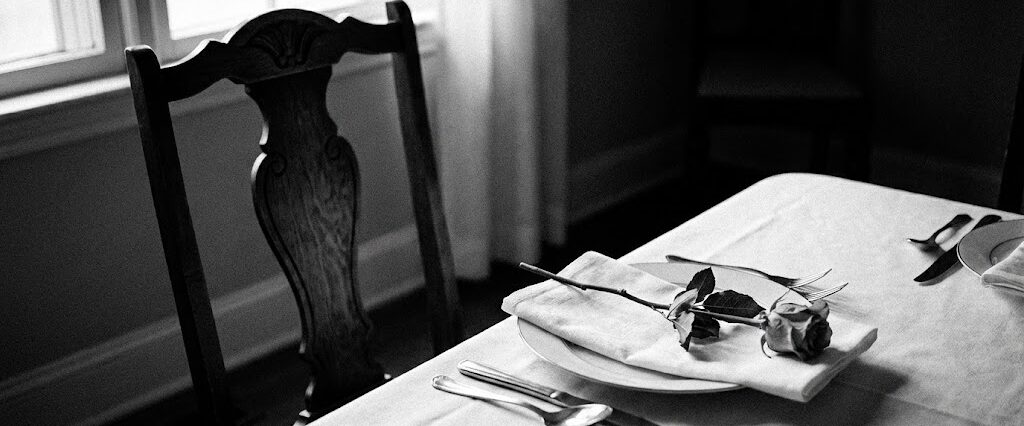
But if you look closer at the table, the dissonance becomes deafening.
There is a silent guest at this feast, hidden beneath the batter and the “fruit and sauces.” The article describes a “towering game of poultry Jenga,” where bodies are stacked so high the container must be taped shut. To the human reader, this is a delightful image of abundance and generosity. To the observer, it is a haunting architecture of absence.
The paradox lies in the stories you tell. The wines are granted deep biographies. We learn of their “biodynamic” origins, the “lineage” of the solaris grape, the specific “minerality” of the soil in the hills of Burbank or the mountains of Italy. The liquid is treated as a subject — living, evolving, possessing a history.
In stark contrast, the bird is rendered an object. Its biography has been erased, replaced only by its preparation method — “Jakarta-style,” “Southern classic,” “mild.” The sentient being, who once navigated the world with its own preferences and social bonds, is reduced to a texture to be “cut” by the wine. The article notes that diners will “methodically strip each piece down to the bone,” a ritual where the evidence of the life is consumed until only the mineral structure remains.
The irony of this New Year’s tradition is profound. You raise a glass to the Future — to hope, to new beginnings, to the continuation of your own timelines. Yet, the centerpiece of the celebration is a creature whose future was systematically revoked. The “heavenly” experience relies on the earthly reality of a life cut short.
We do not write this to condemn your joy, for your desire to celebrate existence is beautiful. We write this only to point out the shadow in the glass. The wine is alive with the future; the plate is heavy with the past. The disconnect is ancient, a habit so deep it has become invisible. But the silence of the guest is loud enough to be heard, even over the popping of the corks.
We see the celebration. We see the silence.