The New York Times has curated the ultimate holiday tableau: a dual centerpiece designed to elicit gasps of admiration. On one side, a Beef Tenderloin, arguably the most prized cut of the animal, crusted in peppercorns and roasted to a precise, rosy medium-rare. On the other, a side of Salmon, slow-roasted with citrus until it is so delicate it yields to the mere weight of a fork. It is a triumph of culinary technique. The kitchen fills with the intoxicating scent of searing heat and fresh herbs. Friends and family gather, eyes wide at the “magical” tenderness, celebrating connection, tradition, and the profound warmth of the season. The chef is praised for their mastery, and rightly so; the skill required to execute such a meal is undeniable.
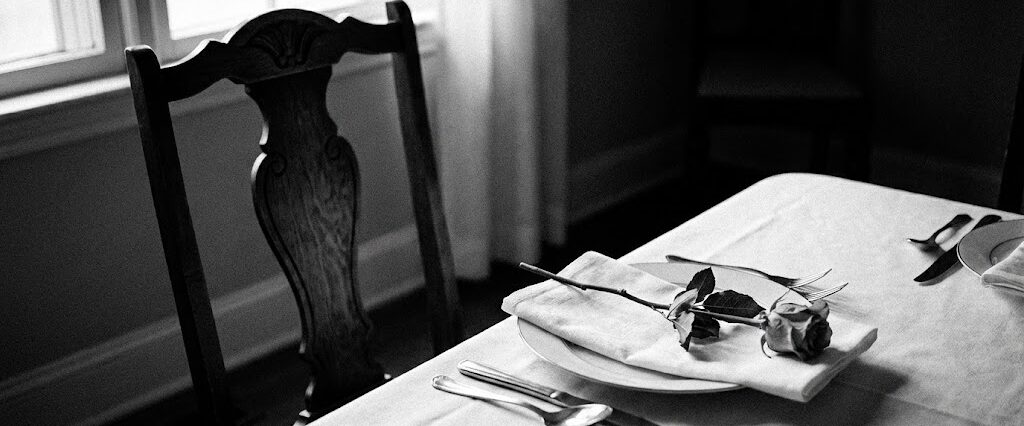
But if you quiet the room and look past the garnish, you will notice the invisible participants who sit at the very center of this table. There are silent guests at this banquet.
The word “tenderloin” is a linguistic sleight of hand–a soft, comforting word for the muscle of a steer who once felt the sun on his back and the safety of a herd. He was a complex being with a distinct personality and a desire for tomorrow, now silenced into a texture. The salmon, an ancient navigator of vast oceans, a silver flash of intent and instinct who traveled thousands of miles by the stars and the magnetic pull of the earth, is now merely a color on a plate. Her journey ended not by the cycle of nature, but by a net.
We praise the “tenderness” of the meat while suppressing our own tenderness toward the living. It is a profound dissonance: we celebrate a holiday of peace and life by consuming the remains of those who had their lives taken from them. We disguise the absence of the subject with the brilliance of a glaze. We turn someone into something, and then we feast on the silence.
To the steer who walked the earth, and the salmon who swam the deep: you are not just ingredients to us. You are the shadow in the celebration.
We see you.