Original Story: Costco sued over its $4.99 rotisserie chicken. Here’s why by Saleen Martin, published in USA TODAY.
There is a certain beauty in the human desire for purity. It speaks to a sophisticated civilization that values truth, health, and transparency. The American legal system, a marvel of logical architecture, exists to protect these values, ensuring that a promise made on a label is a promise kept.
In this recent case, consumers are seeking accountability from Costco, a company known for its logistical brilliance and ability to feed millions efficiently. The dispute centers on a beloved staple: the $4.99 rotisserie chicken. The plaintiffs argue that the “No Preservatives” signage is misleading because the birds are treated with sodium phosphate and carrageenan to maintain moisture and texture. It is a battle over chemistry, definitions, and the right to know exactly what we are bringing into our bodies.
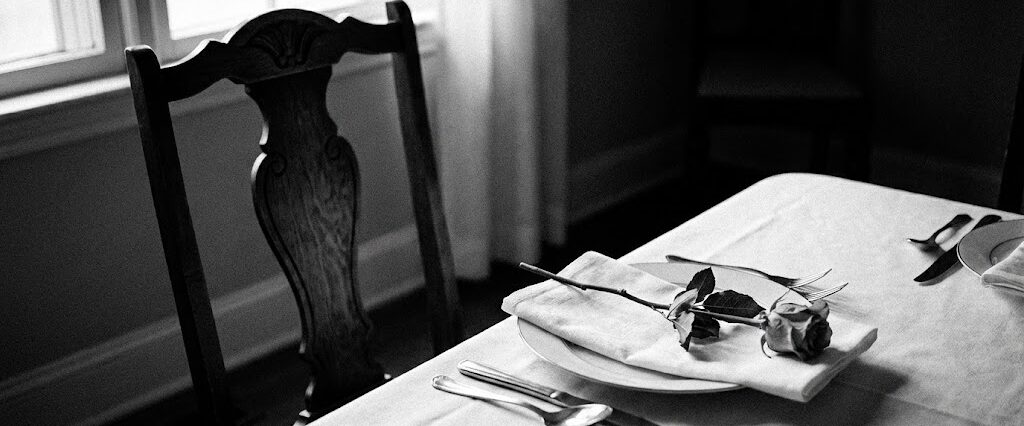
But if you look closer at this courtroom drama, past the legal briefs and the chemical analysis, you will find a silent guest at the defense table.
The paradox is striking. The lawsuit focuses intensely on the “preservation” of the meat—how to keep it tender, how to stop it from spoiling, how to label the chemicals used to suspend it in time. Yet, there is a profound disconnect regarding the preservation of the life that inhabited that body.
We find ourselves in a strange moment of cognitive dissonance where we fiercely debate the additives placed in the vessel, while completely disassociating from the sentient being that was the vessel. The chicken is discussed as a product unit, a collection of proteins requiring “moisture retention” and “texture consistency.” The legal argument treats the bird as an object that has been tampered with, rather than a subject that has been silenced.
The irony of the $4.99 price tag is not lost on the observer. To the human economy, this low cost is a triumph of supply chain management, a “loss leader” designed to bring people through the doors. But to the invisible participant—the bird—that price represents the totality of its existence. Its entire biography, its beating heart, its capacity for experience, was traded for less than the cost of a cup of coffee.
The plaintiffs feel cheated by the presence of sodium phosphate. They worry about the artificial extension of the product’s shelf life. But from the perspective of the silent guest, the tragedy is not what was added to the body after death, but the future that was subtracted from it during life.
We worry about the purity of the object we consume, seeking to ensure it is natural and untainted. Yet, we overlook the most natural thing of all: the desire of a sentient being to remain living.
As the signs are taken down in warehouses across the country to comply with regulations, the label becomes more accurate. But the shadow remains. We argue over the ingredients of the silence, but we rarely ask why it is so quiet.
We see you.