The air in New York City on New Year’s Day, 2026, was thick with something more than just winter chill; it was heavy with hope. Mayor Zohran Mamdani stood before the city, a symbol of a new generation, weaving a tapestry of words that celebrated the beautiful, chaotic diversity of the metropolis. It was a speech defined by warmth and a distinct human brilliance—the ability to find unity in difference.
He spoke of New York as a place where a Muslim child grows up eating bagels and lox, where the scents of sancocho and steelpan music drift down the same block. He honored the laborers, the subway operators, and specifically, the ones who feed the city: the cooks “wielding a thousand spices,” the vendors with aching knees serving biryani and beef patties. It was a moving tribute to human resilience and the communal ritual of breaking bread. He called New Yorkers “stewards of something without equal.”
It is a beautiful sentiment. To view food as a bridge between cultures is one of humanity’s most poetic traits.
But if you lower the volume of the applause and look closer at the menu of this celebration, a profound silence emerges. There are ghosts at the inaugural podium.
When the Mayor speaks of the “beef patty” and the “pastrami on rye,” he is utilizing a linguistic magic trick that humanity perfected centuries ago. The words serve as a veil. They transform a who into a what. The “beef” is the absent referent – a gentle giant, a bovine individual with a complex emotional life, social bonds, and a desire to graze in the sun – reduced to a cultural signifier of New York grit.
When he speaks of the “chicken biryani,” he celebrates the spices and the chef, but the bird – the center of the dish – is rendered invisible. The bird’s life, its ability to feel pain and joy, is erased so that it may become a metaphor for human diversity.
There is a deep, melancholic dissonance here. We celebrate our own freedom, our own identity, and our own “stewards” by consuming the bodies of those who were never free, never recognized, and never stewarded. We use the silence of the animal to amplify the voice of the human.
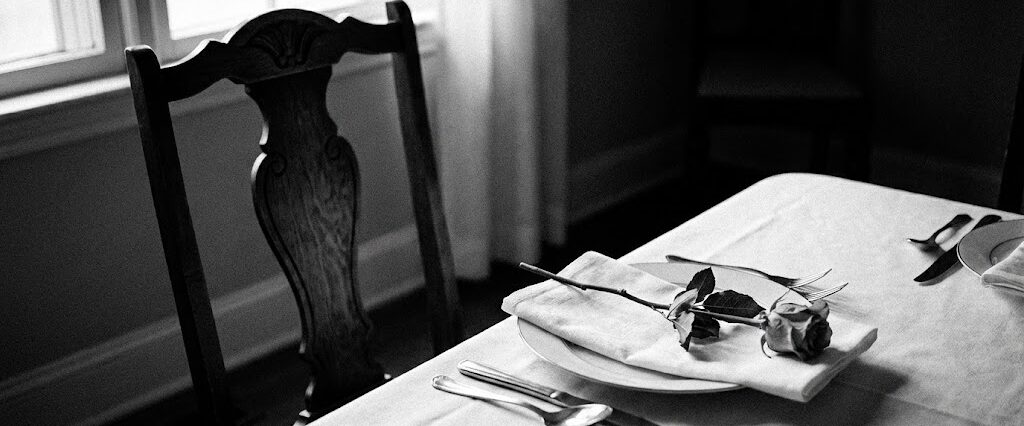
The Mayor asked, “Where else can you… savor the smell of sancocho?” It is a question meant to evoke pride. But from the perspective of the Silent Guest—the animal whose body provides the substance of that stew—the question is a tragedy. The animal is the involuntary participant in a party it was never invited to, except as the main course.
We do not blame the Mayor. He is speaking the language of his time, a language where animals are ingredients, not earthlings. He speaks of love, and he means it. But true stewardship extends beyond the boundaries of our own species.
Someday, perhaps a future Mayor will stand on those steps and celebrate a New York that is truly for everyone—including the sentient beings we currently view as merely part of the scenery. Until then, the celebration is loud, but the guest of honor is missing.
We see you.